Boussole stratégique: l’industrie ou la puissance?
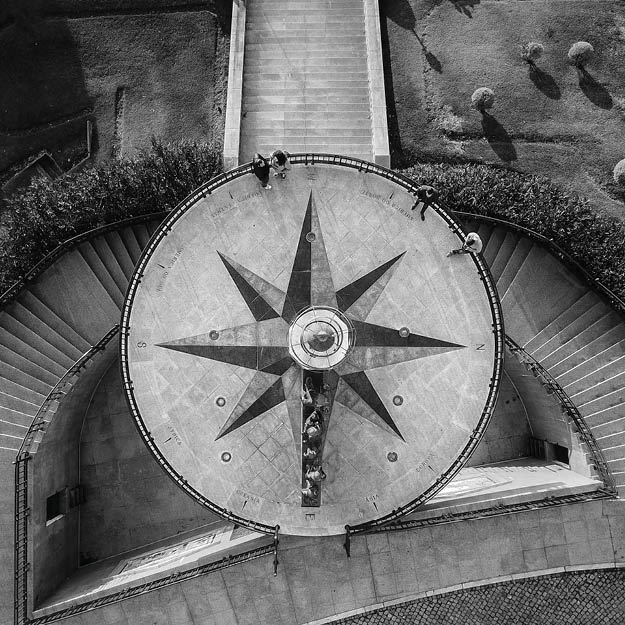
Un mois après le début de la guerre en Ukraine, et alors que les discussions patinaient depuis deux ans, les États membres de l’Union européenne ont accéléré les dernières négociations pour permettre au Conseil de l’UE, le 21 mars, d’adopter en urgence la « Boussole stratégique en matière de sécurité et de défense » : un texte de 47 pages dont le sous-titre résume l’ambition « Pour une Union européenne qui protège ses citoyens, ses valeurs et ses intérêts et qui contribue à la paix et à la sécurité internationale ».
1– Principaux acquis
Pour Josep Borrell, haut représentant de l’Union pour les affaires étrangères et à la politique de sécurité, l’adoption du texte vaut consécration d’un long travail diplomatique : parvenir au consensus des 27 États membres sur l’analyse des menaces qui pèsent sur l’UE, sans aborder des sujets aussi traditionnellement diviseurs que « l’autonomie stratégique », la relation entre l’Union et l’OTAN, l’augmentation des budgets de défense, etc. était une gageure. Cinq versions successives ont été nécessaires depuis le lancement de l’exercice en 2020, lors de va-et-vient constants entre le Service européen d’action extérieure (le SEAE) et les États membres. Ni la Commission, ni le Parlement européen ne furent parties prenantes. C’est la guerre déclenchée par Vladimir Poutine qui a forcé l’allure et la détermination des Européens. Sous le choc devant l’invasion et le bombardement de l’Ukraine, les Vingt-Sept ont mis de côté certaines habitudes et divergences pour aller à l’essentiel : l’affirmation de l’unité stratégique de l’Europe et leur détermination à développer leurs efforts collectifs en matière de sécurité et de défense.
Le document entérine plusieurs décisions collectives qui complètent d’autres décisions militaires prises individuellement par certains États membres : la décision allemande d’augmenter de 100 milliards d’euros son budget de défense et de se doter d’une stratégie de sécurité nationale ; la décision de nombre d’entre eux d’utiliser une ligne budgétaire spéciale, non communautaire (la Facilité européenne pour la paix) pour envoyer des armes à l’Ukraine ; et la volonté de pratiquement tous d’atteindre les 2% du PIB réclamés par les États-Unis, surtout par Donald Trump, pour les dépenses de défense. La boussole installe désormais ces initiatives particulières sous un programme commun d’investissements opérationnels et industriels à horizon 2025-2030.
La boussole comporte 5 parties très détaillées : l’analyse de l’environnement stratégique, autrement dit des menaces entourant l’UE, précède quatre impératifs qui servent de titres aux parties suivantes : agir, assurer la sécurité, investir, travailler en partenariat. Des synthèses et des fiches récapitulatives en fin de chaque partie témoignent d’un effort de communication grand public assez rare pour ce type de document. De multiples idées sont déclinées au futur, dans l’attente de nouvelles décisions, sur un calendrier relativement court, entre 2022 et 2025. Mais un certain nombre de nouveautés font d’ores et déjà l’objet de décisions. On retiendra notamment :
- La création d’une capacité de réaction rapide, destinée à entrer en premier dans un théâtre de crise, pouvant aller jusqu’à 5 000 militaires, dans les trois composantes terre, air, mer.
- La consolidation des moyens civils : les États se donnent pour objectif de déployer une « mission composée de 200 experts civils dans un délai de trente jours ».
- Une plus grande flexibilité dans les décisions : l’utilisation de l’abstention constructive (qui ne supprime pas pour autant le droit de veto de chaque État) et le recours à l’article 44 du Traité de Lisbonne qui permet au « Conseil de confier la mise en œuvre d’une mission à un groupe d’États membres qui le souhaitent et disposent des capacités nécessaires pour une telle mission » (ce qui ne supprime pas non plus l’unanimité requise pour la décision du lancement de la mission elle-même).
- Le passage à des exercices réels et non plus virtuels, pour les forces affectées à la politique de sécurité et de défense commune (PSDC) sur terre et sur mer, et en matière de cyber-sécurité
- L‘adoption en 2023 d’une stratégie spatiale de l’UE pour la sécurité et la défense
- Des attentes précises à l’égard de la Commission sur des « mesures incitatives » pour favoriser les coopérations industrielles entre États membres, dont une exonération possible de la TVA.
- Une clause de révision régulière, sous forme d’un rapport annuel du Haut Représentant sur les progrès accomplis, avec éventuelle révision globale en 2025
2– Interrogations et avenir de l’Europe puissance
Pour autant, cette boussole stratégique a du mal à convaincre que l’Europe vient d’effectuer un saut qualitatif vers la puissance.
Ce texte est-il une première dans l’histoire de la PSDC ? Certainement pas. Les Européens ont par le passé adopté une « Stratégie européenne de sécurité » en 2003, sous la houlette de Javier Solana ; puis une « Stratégie globale » rédigée sous l’égide de Federica Mogherini en 2016. La première était un texte court énonçant les grands principes et la vision européenne de la sécurité internationale. La seconde était un long document comme l’actuelle boussole, et contenait déjà une analyse régionale des risques perçus et des objectifs poursuivis par l’Union européenne.
Comment la boussole se distingue-t-elle ? Le texte de 2022 se distingue de trois façons :
- La boussole va plus loin dans l’analyse des menaces (tout y est, du cyber à l’espace, de la Russie au terrorisme, des menaces hybrides à l’usage de la force). Mais elle met les menaces pratiquement toutes sur le même plan et n’arrive donc pas à définir des priorités (chacun des États membres voulant faire valoir sa préoccupation particulière).
- La boussole a un objectif essentiellement capacitaire et industriel: elle propose surtout des pistes pour des coopérations européennes éligibles au Fonds européen de défense. Avec parfois des objectifs limités et des « découvertes » qui n’en sont pas. Déjà en 1999, le Conseil européen d’Helsinki avait fixé un objectif capacitaire clair pour 2003, les Headline goals. Ceux-ci donnaient comme objectif à l’UE de pouvoir déployer à l’étranger 60 000 hommes en 60 jours pour une durée d’un an. Dans les conférences sur les capacités militaires qui suivirent régulièrement, les États membres avaient également procédé à un premier bilan de leurs lacunes capacitaires : les avions de transport stratégiques figuraient déjà en première place.
Cette priorité industrielle amène le texte à faire l’impasse sur les principes communs qui pourraient servir de guide à l’utilisation des forces militaires dans un cadre européen : comment l’UE intervient-elle ? Avec ou sans mandat des Nations unies ? Avec quels objectifs ? Y a-t-il une spécificité européenne dans l’usage de la force ? Les missions de la PSDC sont-elles toujours liées à des opérations extérieures (17 sont en cours en 2022) ? Les forces européennes doivent-elles être formatées seulement pour « entrer en premier » sur une zone de guerre, comme le suggère la capacité de réaction rapide ? Quelles sont les règles qui définissent ce principe maintes fois répété dans le texte « d’un monde fondé sur des règles » ? Et pourquoi employer cette locution plutôt que le principe du multilatéralisme, pourtant priorité des Européens depuis leur stratégie de 2003 ? Qui écrit ou réécrit ces règles ? Qu’en est-il de l’autonomie européenne par rapport à l’Otan ? etc. Autrement dit, la boussole n’est pas encore un Livre blanc européen sur la défense : elle indique un nord industriel, certainement pas un nord stratégique.
Est-ce un texte ambitieux ? Oui, par l’ampleur du travail effectué sur l’analyse des menaces et des risques. L’exercice en lui-même, pendant deux ans, a certainement eu une valeur pédagogique précieuse : obliger les Vingt-Sept à tenter une approche commune de leur environnement de sécurité est un acquis en soi. Oui également, car le texte est résolument tourné vers l’action : il faut agir et donc développer des moyens pour agir ensemble. Oui enfin car il permet de mettre en œuvre certaines dispositions du traité de Lisbonne, jamais ou rarement appliquées : l’analyse commune des menaces, la flexibilité des actions et des décisions.
Toutefois, les décisions opérationnelles n’ont rien de spectaculaire : la force de réaction rapide de 5 000 hommes ne représente pas grand-chose en termes de force de combat. Elle se présente surtout comme une refonte des groupes de combat (battle groups) jamais utilisés. La capacité civile est beaucoup moins ambitieuse que celle décidée en 2000, au Conseil européen de Feira (les États s’engageaient à déployer dans un délai de 30 jours, jusqu’à 1 000 policiers, dans le cadre d’un réservoir global de 5 000 personnes).
Est-ce un acte fondateur pour l’Europe puissance ? La question est devenue cruciale à la suite de la guerre en Ukraine et elle va bien au-delà du texte de la boussole stratégique : les Européens sont-ils en train de se réveiller comme puissance politique et militaire crédible ? La réponse est sans conteste positive au regard des multiples décisions déjà prises, de réarmement national, d’envoi d’armes à l’Ukraine, de sanctions collectives ou de mobilisation pour le soutien aux réfugiés : la guerre en Ukraine constitue pour les Européens un véritable choc, un réveil cauchemardesque, qui met fin à nombre d’illusions sur la suffisance des seules vertus pacificatrices du commerce et de l’interdépendance. Elle fait entrer l’Europe dans la brutalité géopolitique pure et dure. Ce sont les États membres qui sont à la manœuvre. Ce réveil européen ne bouleverse pas en effet le fonctionnement de l’Union : il confirme le partage des rôles typique de la gouvernance européenne, la Commission s’occupant de sanctions et d’énergie, les États de la défense et de la diplomatie.
Pour autant, même s’ils viennent d’adopter leur boussole stratégique, les États membres sont loin de vouloir réveiller une Europe puissance et de mettre en œuvre l’autonomie stratégique de l’UE. L’ampleur de la menace russe, le déferlement des forces utilisées contre l’Ukraine, les balbutiements à ce jour des acquis en matière de politique de défense commune, ne laissent guère de place à l’Union européenne mais accorde au contraire la priorité maximale à l’Otan. C’est bien le paradoxe de cette guerre : elle réveille l’Europe mais c’est pour renforcer l’Otan. Elle nourrit le désir d’autonomie énergétique des Européens face à la Russie, mais elle va renforcer leur dépendance énergétique à l’égard des États-Unis.
Ce réflexe atlantique des Européens est aussi normal que sensé dans une situation de guerre réelle en Europe. Les plus eurosceptiques y verront sans doute l’enterrement des ambitions européennes – et surtout françaises – en matière de puissance. Il s’agit plutôt de séquences inévitables : d’abord l’OTAN, ensuite l’Europe. Car les États-Unis ont autant besoin de renforcer leur leadership occidental face à Poutine, que de passer, le plus vite possible, à leur autre et première priorité en Asie : la puissance chinoise. Il faudra donc à l’Union beaucoup d’intelligence collective – une véritable boussole géopolitique – pour conjuguer ces deux étapes, et construire l’Europe puissance comme une condition nécessaire à l’épanouissement futur de la puissance américaine elle-même.