
From hard Brexit to chosen European alignment
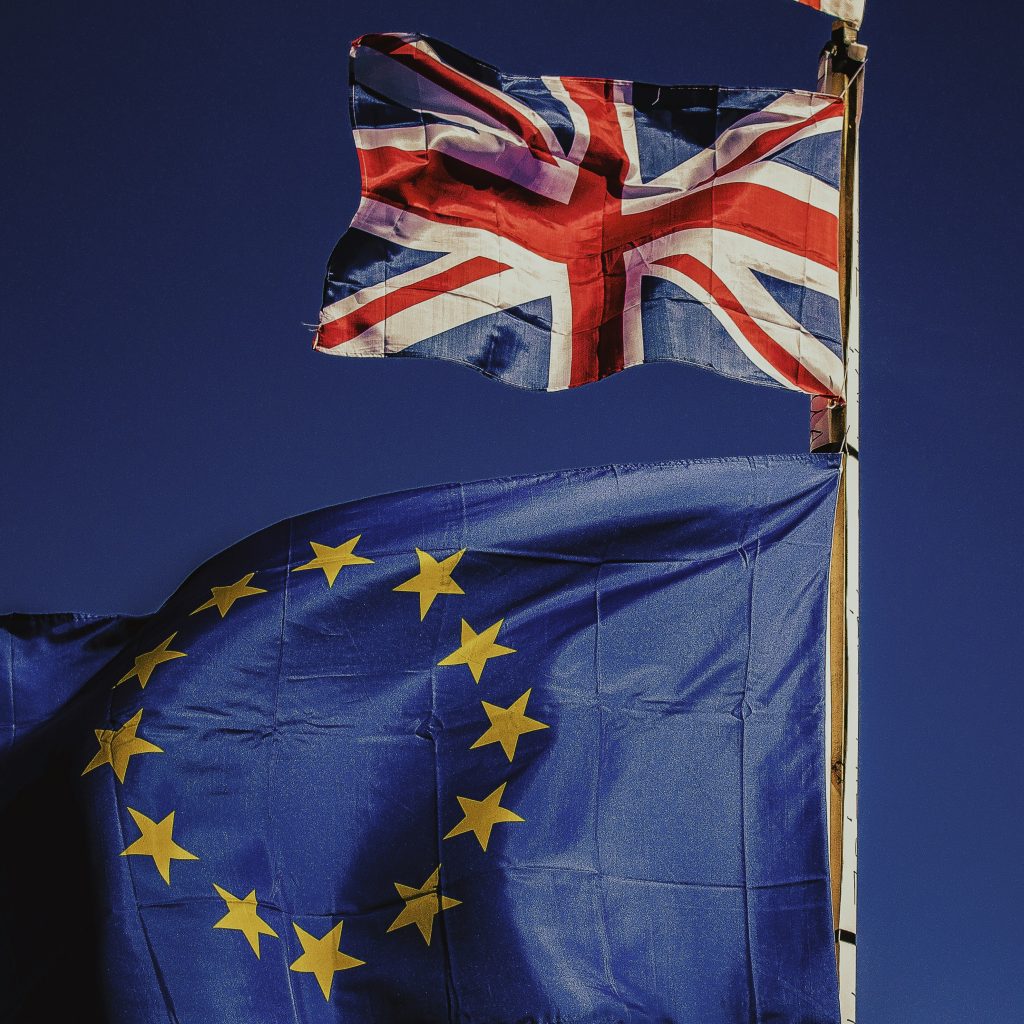
The United Kingdom no longer wants to simply move closer to the European Union (EU), but to comply with European rules, in its own interest. This, broadly speaking, is the new position asserted by Keir Starmer. The British Prime Minister, who upon coming to power in 2024 initiated a cautious and long-vague reset of his relationship with the EU, is now shifting into high gear. In an interview with the BBC on January 4, 2026, he expressed for the first time so openly his desire for “greater alignment” between the UK and internal market standards. The statement, made at the brink of a new year that will mark the tenth anniversary of the referendum that led the UK to leave the EU, can be explained by five reasons.
The most compelling is an economic reason. From a UK perspective, the primary purpose of the reset is to stimulate British growth, which has been sluggish under Brexit. According to the most recent serious assessment published, it has reduced GDP by 6 to 8% over the past decade. For exporting companies on both sides of the Channel, alignment with European law is a guarantee of legal certainty, predictability, and familiarity, while Brexit has led to a leap into regulatory uncertainty and increased paperwork. The Prime Minister would like to replicate in other sectors the European alignment currently being negotiated for the agri-food sector. This future agreement provides for the UK to comply with EU sanitary and phytosanitary standards in exchange for the lifting of European controls, which were reintroduced when the UK left the Single Market and which are obstructing previously fluid trade flows. In addition, this will facilitate internal trade with Northern Ireland, which has remained in the European market and for which the newly introduced inner British controls are not considered entirely satisfactory. A similar process of alignment and convergence is also underway for the electricity and carbon markets. A bill setting out the general framework for so-called “dynamic alignment” is expected before the summer.
Political motives
But Keir Starmer’s motivations are, of course, also highly political. First and foremost, with regard to the opposition. Faced with Labour’s plummeting poll ratings in favor of Nigel Farage’s radical right-wing populist party, Reform UK, credited with 29% in the general elections, and standing below the Tories (at 18%), the Labour leader is hitting against the two parties that led to Brexit. While his government had been careful not to reignite a debate on the issue that has poisoned British political life and divided the country over the last years, he now does not hesitate to sharply criticize the anti-European choices made by his predecessors.
He is all the more willing to do so because, since 2022, opinion polls have shown that a growing majority of Britons regret Brexit, which is another motivation for the government to be more proactive on Europe. This widely held opinion is even more prevalent among young people. The Prime Minister thus tries to dig in the contradiction between this widespread feeling of “Bregret” (regret over Brexit) and the sympathy for Reform that has been growing since last spring.
The Labour government’s European push also serves to prevent its pro-European rivals among the Lib Dems and the Greens from winning over a significant portion of the electorate in an ever more fragmented political landscape. The Green Party, traditionally opposed to Brexit, has made a notable breakthrough in voting intentions thanks to the popularity of its new leader, Zack Polanski.
But Starmer’s political motivations also, and perhaps primarily, target his own party. Labour faces elections in 2026 in a very unfavorable position, both in Scotland and Wales, where decisive polls are scheduled for next May. Keir Starmer’s leadership is already being challenged within his own ranks. The question of whether he will serve his full term until 2029 is being debated in the media, which is scrutinizing his potential challengers. One of them, Wes Streeting, the current Health Secretary, challenged him before Christmas by calling for the UK to return to the customs union. By rejecting this idea in favor of alignment with the internal market, Keir Starmer is seeking to distinguish himself on European issues, where his intentions had remained unclear until now.
Although personally known to be pro-European, the head of government does not go so far as to consider full reintegration into the Single Market, an idea that some Labour politicians are already considering for their 2029 manifesto. This would imply free movement of people, which is considered politically inflammatory in a public already on edge about the issue of migration. But it is a principle that the EU-27 have always insisted is inseparable from the Single Market. To avoid crossing this political red line, Keir Starmer is sticking to a “theme by theme, sector by sector” alignment with European standards. He also supports a plan for strictly regulated free movement with the EU for young people (Youth Mobility Scheme).
Rule-taker
Yet, even if it is gradual and sectoral, alignment essentially means accepting European law as it stands, with little exemption possibilities, let alone shaping it upstream, unlike the Member States. The UK would end up being a rule-taker rather than a rule-maker, in flagrant contradiction with the very purpose of Brexit. The Conservative denounces a betrayal, while the City already refuses the principle with regard to the financial sector. The Prime Minister is therefore careful to present alignment as a “sovereign choice,” made solely in the British interest.
However, there is no guarantee that this choice will necessarily be to the liking of the Europeans. They see the new British approach as an advanced form of “cherry-picking,” an à la carte alignment for which the EU-27 will scrupulously assess their own interests. This will inevitably lead to lengthy and detailed negotiations, as already illustrated by the case for lifting European veterinary checks. Or as demonstrated by the refusal, for the time being, to accept the UK in the upcoming European-sponsored defence procurements (SAFE programme).
Furthermore, the bloc fears that a possible future majority across the Channel hostile to the EU could undo the rapprochement achieved by Starmer. In practice, this would lead to the reintroduction of controls—and the staff required to enforce them—that had only just been lifted after being reintroduced by Brexit! This political risk should lead the EU to impose a retaliation clause, known as the “Farage clause,” on any sectoral alignment that is accepted. A position supported by France, where many of the controls on goods crossing the Channel take place.
Regardless of the degree of alignment achieved in practice, it is now clear that London is transforming the hard Brexit into a soft version. The issue of alignment with the internal market will certainly be a hot topic at the second EU-UK summit expected in May-June, as well as the return to other European programs, following the one already announced in Erasmus for 2027. After having taken a unique position when it was member of the EU by securing opt-outs, Britain is now creating another equally original position outside the EU, by negotiating what could be called this time around opt-ins.
Authors

Other publications on same theme
 Blog post
Tomorrow, a Europe of Six?
 Policy Paper
European citizens and the European Union 1985–2025