09/04/26
Hungary: a testing ground for illiberalism and a challenge for the European Union
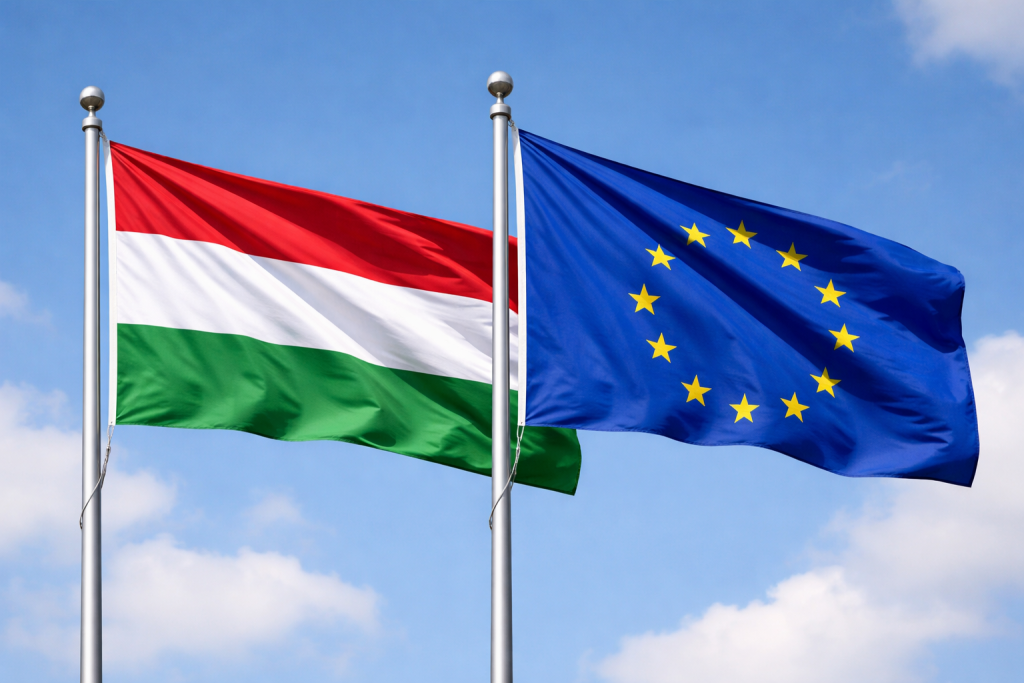
On April 12, Hungarian voters are called to the polls for parliamentary elections that are being closely watched across Europe. After sixteen years in power, Viktor Orbán faces an uncertain vote, marked by the rise of his main opponent, Péter Magyar, leader of the Tisza party. In a context of political realignment, several parties are competing while the campaign highlights national issues such as purchasing power, corruption, and the use of European funds.
Beyond the national framework, these elections take place within a broader European context, notably due to the role played by Viktor Orbán within the Council of the European Union and the recurring tensions surrounding certain European decisions.
This analysis examines:
- The dynamics of the Hungarian parliamentary election of April 12
- The reshaping of the political landscape around the Tisza party
- The main campaign issues
- Positions on European and international matters
- Hungary’s role in the functioning of the European Union