La crise de l’OMC: peut-on se passer du multilatéralisme à l’ère numérique?
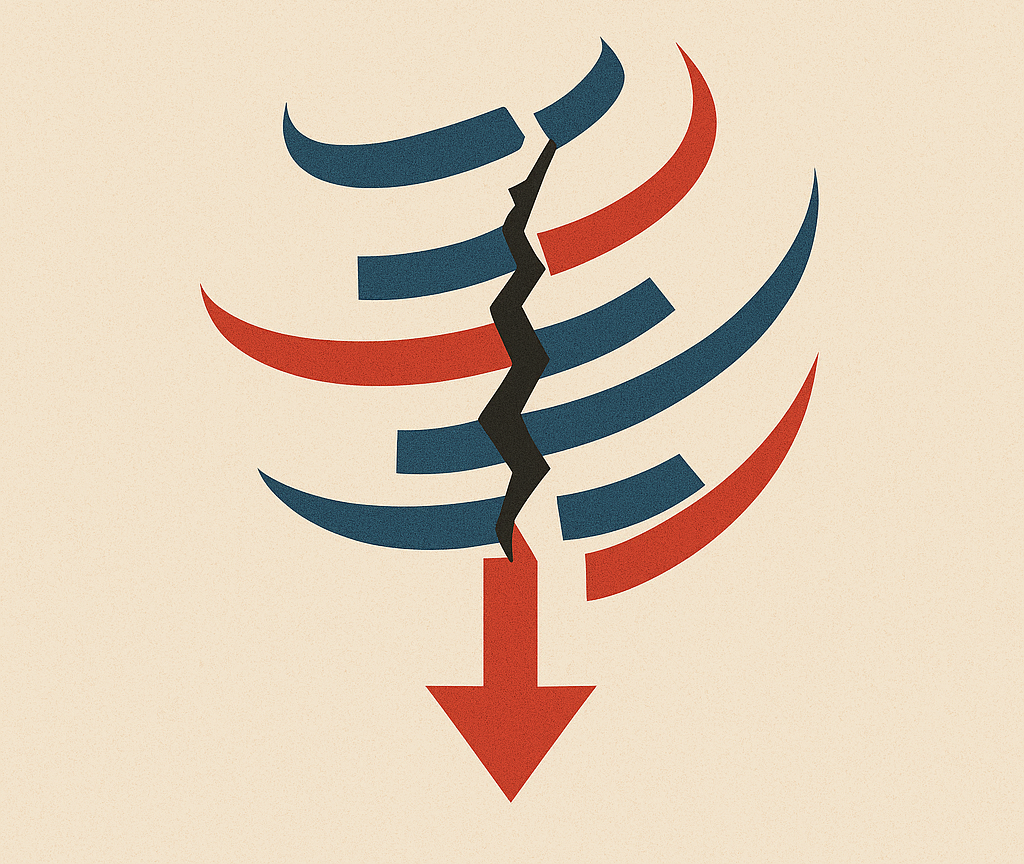
C’est au moment où l’on a le plus besoin d’adopter de nouvelles règles multilatérales pour encadrer les transformations engagées par la transition numérique et la transition verte que Washington tente de bloquer un de ses rouages importants, la cour d’appel de l’OMC, appelée organe d’appel (OA). On s’est habitué à déplorer l’inertie d’une diplomatie multilatérale poussive et l’on en oubliait que l’Organisation mondiale du commerce (OMC) joue un rôle spécifique. Seule institution multilatérale dotée d’un mécanisme de règlement des différends (MRD) qui assure le respect des règles adoptées par ses 164 membres, elle assume une fonction de pilier soutenant les règles multilatérales édifiées progressivement depuis 70 ans. Alors quel peut être l’impact du blocage de l’organe d’appel par les États-Unis ?
L’administration Trump avait jusqu’au 10 décembre 2019 pour lever son véto sur la nomination de nouveaux juges et éviter de bloquer le traitement des contentieux en cours ou le règlement de nouveaux litiges. L’estocade est donnée. Il fallait s’y attendre alors qu’en ce début de campagne présidentielle il peine à négocier un arrangement hâtif avec la Chine et qu’il doit encore montrer ses muscles. Après les premiers coups de boutoirs qu’il a donnés au système multilatéral (violation du principe de la nation la plus favorisée, détournement du principe de la sécurité nationale, réduction de la contribution américaine à diverses institutions internationales…), parviendra-t-il à détricoter le maillage des règles multilatérales ? Quelle est la capacité de résilience de l’OMC ? Et comment préserver un espace de coopération multilatérale ?
Les États-Unis veulent-ils réformer le système, s’en affranchir ou le démanteler ?
Le président américain souhaite-t-il revenir à 1995 ou 1994 ? S’il s’agit de 1995, date de la création de l’OMC, ce serait pour revenir aux principes fondateurs du règlement des contentieux dont Washington estime que les juges se sont éloignés, limitant les capacités de défense commerciale des États-Unis, notamment l’utilisation des mesures anti-dumping. Les critiques des États-Unis sur le fonctionnement de l’organe d’appel sont bien connues : activisme judiciaire, obiter dicta, examen de novo, établissement des précédents, etc. Les Européens se sont efforcés d’y répondre en portant, avec d’autres pays, une réforme des procédures avec des propositions précises. Elles ont toutes été rejetées par les États-Unis, sans que ceux-ci ne fassent de propositions alternatives pouvant ouvrir la voie à une réforme ; et cela, malgré les plaintes que les États-Unis ont encore récemment déposées à l’OMC, signifiant une volonté de préserver le système.
S’agit-il alors de revenir à 1994 ? Cela impliquerait de démanteler le système pour revenir à la situation du GATT (General Agreement on Tariffs and Trade), en renonçant à son caractère contraignant pour les parties au contentieux. Beaucoup plus grave évidemment aux yeux des Européens qui avaient beaucoup œuvré, à l’époque, pour franchir cette étape majeure de la gouvernance internationale.
Cependant, à ce stade, pour évaluer leur tentation de s’affranchir des règles, il faut sans doute moins prêter attention à la critique historique de la dimension supranationale de l’OA qui s’imposerait à la souveraineté américaine, qu’à la méthode « trumpienne » de négociation qui reste unilatérale et fait peser un risque de démantèlement non maîtrisé des règles multilatérales.
Derrière la critique des procédures de travail de l’OA, la préoccupation plus fondamentale des États-Unis concerne la tendance, selon eux, des panels de l’OA à pallier le manque de renforcement des règles de l’OMC par la production d’une jurisprudence qui se substitue à la négociation entre les parties au contentieux ; tandis que Washington rappelle que les ambiguïtés des règles multilatérales ont une fonction spécifique puisqu’elles reflètent le manque de consensus des membres de l’OMC et ne peuvent être tranchées par les juges de l’OA. Le facilitateur néo-zélandais désigné par l’OMC, David Walker, répondant point par point aux critiques américaines, a ainsi proposé la mise en place d’un mécanisme de dialogue sur les conflits issus du fonctionnement de l’OA pour permettre précisément un dialogue entre le contentieux et la négociation, c’est-à-dire renvoyer à la négociation des membres de l’OMC.
Les Européens l’on bien compris : pour maintenir les États-Unis au sein de l’OMC, il faut parvenir à ramener la Chine à la table des négociations. Si Trump s’en prend aux juges, c’est bien parce que les règles de l’OMC sont aujourd’hui insuffisantes pour lutter contre les distorsions commerciales provoquées par l’affirmation du capitalisme d’État chinois. Deux décisions contentieuses de 2011 et 2014 se fondant sur une définition restrictive d’un organisme public et limitant l’application de mesures anti-dumping contre les entreprises d’États chinoises, ont notamment cristallisé la critique américaine. La récente décision de l’été 2019 qui a retenu une définition plus étendue d’un organisme public n’a pas suffi à faire évoluer la position de Washington. À présent, pour obtenir des gages tangibles de réforme de l’économie chinoise, Trump mise d’abord sur sa méthode unilatérale agressive, même si c’est en vain à ce stade.
Pourtant, la Chine est d’autant plus favorable au système de l’OMC qu’après en avoir payé le prix fort à son entrée en 2001 avec une ouverture de son économie plus importante que d’autres pays en développement comme l’Inde et le Brésil, elle a largement tiré parti de la stabilité offerte par ce cadre réglementaire multilatéral pour développer son commerce. À présent, elle affiche un discours de défense du multilatéralisme et apporte son soutien aux propositions de réformes de l’OA formulées par divers pays, y compris les Européens. Mais il faudra attendre un accord euro-chinois sur la règlementation sur l’investissement direct étranger, allant dans le sens d’un traitement plus équitable des entreprises étrangères et des entreprises chinoises, pour déterminer si le Parti communiste chinois a décidé de donner un gage tangible de nouvelle convergence de l’économie chinoise vers l’économie de marché, et si cela suffit pour convaincre Washington de miser encore sur le multilatéralisme. Alors que Pékin adopte une posture de patience stratégique vis-à-vis du candidat Trump qui pourrait obtenir un deuxième mandat présidentiel, sans que l’on ne puisse évaluer l’appétit de réforme de Xi Jingping, comment résistera le système multilatéral ?
Quelle est la capacité de résilience de l’institution ?
Le blocage de l’OA n’entraîne pas celui de l’OMC. Le reste de l’appareil institutionnel de l’OMC fonctionne avec des délibérations sur de nombreux sujets dans les comités de l’Organisation, qui assurent un rôle de concertation complémentaire par rapport aux négociations plurilatérales, ou par le mécanisme d’examen des politiques commerciales et l’examen connexe des politiques nationales liées au commerce. Cependant, si la mise en œuvre des décisions de règlement des contentieux laisse encore parfois à désirer, elle sert de garde-fou et favorise le respect des règles multilatérales. À l’inverse, en l’absence de mécanisme contraignant de mise en œuvre des règles, puisque le blocage de l’OA bloque également le MRD, quelle crédibilité accorder à de nouvelles règles multilatérales ? Les membres de l’OMC seront-ils encore prêts à investir beaucoup de capital politique dans des négociations complexes ?
Éviter un dé-tricotage des règles multilatérales
Dès l’été 2019, les Européens ont signé un accord avec le Canada d’une part et la Norvège d’autre part, pour mettre en place un système provisoire d’appel reproduisant le modèle de l’OMC. D’autres pays – dont la Chine – ont demandé à « plurilatéraliser » l’initiative européenne le temps de retrouver un terrain de coopération avec les États-Unis. L’Indonésie et le Vietnam ont également décidé en commun de ne pas faire appel pour régler leur contentieux en cours. Les initiatives se multiplient pour tenter de préserver « l’acquis multilatéral », désignant ici l’ensemble des accords de l’OMC. Celui-ci repose d’abord sur un certain nombre de principes, comme la transparence, la concertation, la non-discrimination etc., qui sont inscrits au cœur des pratiques de coopération internationale. Ces principes sont-ils suffisamment assimilés pour éviter que, dans la lignée de l’Amérique de Trump, d’autres États ne s’affranchissent progressivement des règles multilatérales, provoquant un ensauvagement des comportements défensifs ou offensifs ? Les petits pays et les moins développés savent qu’ils ont beaucoup à perdre d’un retour au simple rapport de force. S’il est difficile d’évaluer l’effet d’entraînement de l’unilatéralisme américain, on mesure mieux l’impact qu’il aurait à un moment de nouvelle fragmentation de la scène internationale.
Quelle régulation pour assurer une coexistence pacifique ?
À l’heure de la connectivité mondiale, avec un commerce amené à se développer davantage le long des flux numériques que sur les voies maritimes, les risques de monopoles, inégalités et déséquilibres qui seront amplifiés par l’intelligence artificielle, appellent plus de régulation multilatérale. On mesure d’ores et déjà combien les enjeux de stockages, localisation des données et de discrimination dans l’accès aux données peuvent créer non seulement des distorsions de concurrence mais un risque sécuritaire pour les États aussi bien que pour les entreprises ou les individus. La lutte contre le changement climatique exige aussi d’inscrire un objectif de développement durable à l’agenda de l’OMC pour développer plus de compatibilité entre le commerce et le verdissement de l’économie mondiale. Nombreux sont les enjeux, y compris en matière d’investissements, qui méritent plus de régulation multilatérale. La marge d’isolationnisme reste limitée à l’heure de la connectivité totale. Le découplage de l’économie américaine vis-à-vis de l’économie chinoise, engagé par Trump dans le cadre de la guerre commerciale, va rencontrer bien des résistances au-delà du secteur technologique. L’objectif même d’une autonomie stratégique, qui concerne d’abord la volonté de préserver un accès à des technologies clés voire aux terres rares, renvoie moins à un objectif d’isolement qu’au besoin de mieux organiser l’interdépendance à partir de règles encadrant une concurrence plus équitable (level playing field).
Si la convergence vers un modèle libéral d’économie de marché ne s’est pas faite automatiquement, il reste à trouver un mode de coexistence pacifique qui intègre mieux la montée en puissance de nouveaux acteurs : qu’il s’agisse des économies émergentes, dans un système multilatéral fondé sur un principe trop binaire de répartition des préférences commerciales entre pays en développement et pays développés, ou de la montée en puissance d’une plus grande diversité d’acteurs, privés ou publics dans une gouvernance multi-niveaux plus complexe. Le domaine de la cyber sécurité, qui expose les États à l’influence croissante d’entreprises privées, réseaux criminels ou autres puissances étrangères, illustre, en-soi, le déplacement du pouvoir des États vers d’autres centres de pouvoir et un rôle croissant des acteurs non-étatiques dans la régulation du secteur. Comment, dès lors, préserver un espace de coopération et de régulation internationale ?
Une pluri-latéralisation par défaut ou mieux adaptée à la coopération règlementaire ?
Plus de 50 États ont répondu à l’appel conjoint de l’Allemagne, du Canada, du Chili, de la France, du Ghana, du Mexique, et de Singapour pour réaffirmer la priorité accordée au multilatéralisme. Mais loin de relativiser le risque d’un démantèlement du système multilatéral, il faut activement investir l’échelon plurilatéral – à quelques pays – en s’efforçant de mettre en place des principes qui permettront de s’assurer que cette étape intermédiaire de différenciation ouvre encore la voie au multilatéralisme.
L’OMC autorise déjà le plurilatéralisme avec des préférences sectorielles (comme les biens environnementaux ou le e-commerce) qui sont limitées aux seuls signataires. Pour devenir contraignants ils doivent néanmoins faire l’objet d’un consensus de tous les membres de l’OMC et restent généralement ouverts à tous ceux qui souhaitent le rejoindre s’ils en respectent les conditions. Les trois accords de ce type qui sont en place concernent les marchés publics, le commerce des aéronefs civils et les technologies de l’information.
Par ailleurs, la nouvelle génération d’accords régionaux a une plus forte composante réglementaire qui permet de passer d’une intégration commerciale négative (suppression des obstacles tarifaires) à une intégration commerciale positive (coopération règlementaire assurant plus de level playing field). Alors que cette dernière suppose des préférences collectives comparables, le développement d’une régulation plurilatérale à partir des pays qui partagent ces préférences prend d’autant plus de sens dans le cadre de l’émergence de trois grands ensembles régionaux américain, chinois et européens. Ainsi, l’attractivité qu’exerce le système européen RGPD de protection des données personnelles auprès d’autres pays qui l’ont également adopté devrait inciter les Européens à développer un espace de négociation plurilatérale dans lequel ils peuvent promouvoir leurs normes de régulations numériques.
La poursuite par quelques 50 membres de l’OMC des négociations d’un accord sur le commerce des services (TiSA) en dehors du cadre multilatéral, alors que les négociations du cycle de Doha s’enlisaient, amène à rechercher quelques principes qui garantiraient une dynamique inclusive pouvant mener au multilatéralisme : favoriser un cadre de négociation plurilatéral au sein de l’OMC avec notamment la possibilité d’un soutien du Secrétariat de l’OMC ou encore assurer une transparence des négociations qui puisse encourager un plus grand nombre de pays à rejoindre la dynamique plurilatérale. Il faudrait également veiller à éviter une marginalisation des pays en développement ou les moins avancés qui risque de conduire à une nouvelle fragmentation du multilatéralisme.
***
Pour préserver l’acquis multilatéral et des espaces de coopération internationale, il va falloir mener de front la restauration d’un système de règlement des différends entre États et l’engagement actif de négociations plurilatérales. Néanmoins, on voit bien l’écueil d’un engagement plurilatéral qui ne ferait que reproduire les blocages du multilatéralisme, si les grandes puissances – États-Unis, Chine, Union européenne et même Inde – ne se retrouvent pas à la table des négociations. La capacité des Européens à engager la Chine dans un format plurilatéral sera notamment déterminante et exige dès à présent bien plus de coordination et de cohésion des capitales européennes.