Other document
United in diversity? National responses to the European energy crisis
Romana Březovská (AMO), Georg Zachmann (Bruegel), Giovanni Sgaravatti (Bruegel), Thomas Pellerin-Carlin (JDI), Phuc-Vinh Nguyen (JDI), Leon Leuser (JDI), Karin Thalberg (JDI), Davide Panzeri (ECCO), Jorge Galindo (EsadeEcPol)
| 30/05/2022
On February 24th 2022, Vladimir Putin invaded Ukraine for the second time in eight years. Once again he violated the international treaty his predecessor had ratified in 1994, that committed the Russian Federation to “respect the independence and sovereignty and the existing borders of Ukraine”. As the war in Ukraine continues, Russian energy has emerged as a key dimension for at least three reasons.
First, Russian energy exports are Putin’s main source of funding. In 2021, revenues from Russian fossil fuels made up half of the Russian federal budget. In 2022, with high oil and gas prices and still no implemented embargo on the horizon, Russia may gain as much as €250bn in revenues from its oil and gas exports to the European Union (EU) – four times more than Russia’s military budget. Oil and gas exports remain the main pillar of the Russian economy. That is why the EU is attempting to target Russian fossil fuel exports through economic sanctions in order to stymie this crucial source of funding for Russia’s military effort.
Second, Vladimir Putin uses energy supplies as a geopolitical weapon to limit individual EU member states’ freedom of action and sow disunity within the EU. To date, Russia has introduced de facto embargos on three EU member states (on Russian gas exports to Poland, Bulgaria and Finland), while its demands to pay gas in rubles are generating disunity among member states.
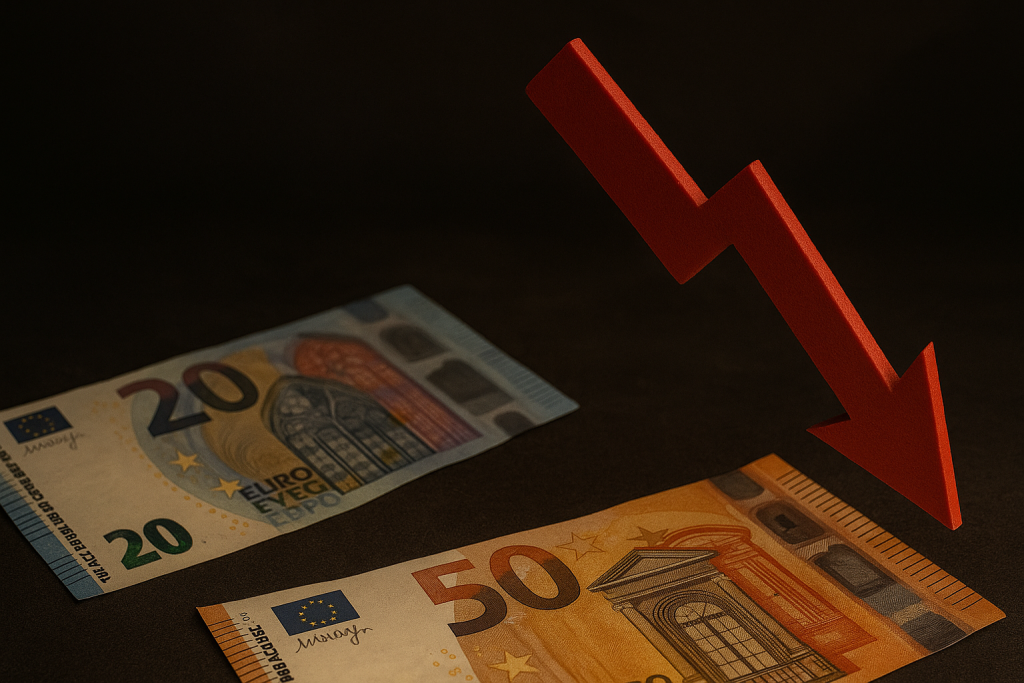
Third, Putin’s war on Ukraine intensifies the pre-existing energy price crisis the European Union has been living through since the summer of 2021. This leads to slower economic growth, higher inflation and lower purchasing power for Europeans.
Against this backdrop, a series of national energy policy measures have been introduced to tackle the high energy prices, before and after Putin’s second invasion of Ukraine. This joint paper aims to provide a brief analysis of the national responses, in light of the Commission’s REPowerEU plan with a view to informing the EU debate on charting an European way out of the crisis that is politically, economically, socially and environmentally sustainable. To do so, five European Think Tanks based in Belgium (Bruegel), Czechia (AMO), France (Jacques Delors Institute), Italy (ECCO) and Spain (EsadeEcPol), joined forces to produce this briefing, which includes national case studies in six member states (Czechia, France, Italy, Germany, Spain, Sweden) that together represent two thirds of the EU population, GDP, and energy consumption. This briefing concludes with policy recommendations that aim to inform the debate of the 30th-31st May 2022 European Council, and forthcoming European and national decisions.
SUR LE MÊME THÈME
ON THE SAME THEME
PUBLICATIONS
The Ukraine Facility
Promoting peace is not the same as fighting war
Arsenal Europe, Financing Military Capabilities for Ukraine and EU Member States
The EU framework on energy communities
The multiple benefits of energy efficiency
[FR] NATO summit in Vilnius: mixed results
THE RESURGENCE OF US INDUSTRIAL POLICY AND EUROPE’S RESPONSE
Gas supply security in Europe
[FR] Faced with the Russian threat, which budgets for which defence?
Enlargement of the European Union: an unexpected revival
A comparative analysis of the regulatory framework in Sun4All pilot cities
Relations with Russia: France’s unique position
[FR] Europe retains public favor in the face of the war in Ukraine
A new world order?
[FR] The Green Deal for Europe: towards climate neutrality
What security guarantees can the EU provide to Ukraine?
Victory, but what kind?
The EU Green Deal in a volatile world
Whose leadership will emerge from the new European geopolitical situation?
Is neutrality an outdated concept in Europe?
Germany — France
Differences and similarities
European action against Russia: what does the future hold for the sanction strategy?
Overview of the European electricity market
Make the Social Climate Fund a game changer to tackle energy poverty
Cyberattacks in Russia’s hybrid war against Ukraine
Italy in Europe
The Swedish energy transition.
A race far from won
Which European defence policy?
[FR] European opinions on the war in Ukraine
[FR] France’s energy future
Can a minimum price on carbon accelerate the adoption of clean technologies?
The war in Ukraine:
what are the consequences for European organisations?
Newsletter June 2022
The need for a socially-just European Green Deal
The European Political Community
Regional perspectives on energy citizenship and citizen participation in the energy transition
Energy Sufficiency
Stop feeding the bear
What do we mean when we talk about energy citizenship?
Moldova and the war
Making migrant returns a pre-condition of trade openness
What the EU budget can and cannot do in response to the war in Ukraine
Welcoming Ukrainian refugees in the EU
[EN] Setting the scene for a critical exploration of the roles of citizens in the European energy transition
Newsletter April 2022
Strategic Compass: industry or power?
One month of war in Ukraine:
the first takeaways
[FR] Ukrainian refugees: the next step
European Dependence on Russian Gas –The Example of Nord Stream 2
Climate policy
of the new German Government
Ukrainian crisis: Rethinking security in Europe
No more free lunch. Ending free allowances in the EU ETS to the benefit of innovation
The German Energy transition
FRENCH-STYLE EUROSCEPTICISM
High energy prices. Russia fights back?
Addressing the climate and social emergencies with minimum energy performance standards
Cop 26: Europe leads the way towards climate neutrality
The European energy price spike
A Social Climate Fund for a fair energy transition
What German foreign policy after the elections?
A Guide to the German federal election
What are the ambitions of the German Green party
Putting the cart before the horse? PERSPECTIVES ON A POTENTIAL ETS ON RESIDENTIAL BUILDINGS
the French and the environment
The EU ETS: from cornerstone to catalyst
Make transatlantic cooperation great again
Let’s innovate to achieve climate neutrality
Make regulation fit for innovation
European Union / Russia.
Europe needs to innovate
to become a front-runner in the global green economy race
Europe needs a political strategy to end energy poverty
How to lift 30 million Europeans out of Energy poverty?
Making transatlantic relations green: a common agenda for climate action
FRUGAL MEMBER STATES VS. THE EU:
NOT TOO MUCH PLEASE
Teaching Europe in France
Science and Innovation as the way out of the crisis
Europe continues its climate marathon
Building a clean mobility system in times of COVID-19
Jacques Delors Institute supports letters to EC Vice Presidents
L’Europe sans charbon
French public opinion and Europe
between distrust and ambivalence
Making the Green Deal a European success
Coalition, narrative, flagships
What business can do for the European Green Deal
What is the scope of the EU external Competence
in the field of energy today?
Russian gas pipelines and the EU: moving from a love-hate relationship “with adults in the room”?
To help fight climate change, we support increasing the Horizon Europe research and innovation budget
Cities in Europe
What EU innovation can do for climate neutrality
The European Green deal starts with the energy transition
Innovation for the energy & climate transition
A small electric car is 3 times cleaner than a small gasoline car
L’Europe de l’énergie existe : le citoyen l’a rencontrée
Climate Change: at the Heart of a New European Political Balance
Just energy transition: a reality test in Europe’s coal regions
Relever le défi énergétique et climatique en Europe : les propositions de 5 think tanks
Electric vehicles, european mobility and industrial leadership at stake
The political climate in spain ahead of the elections
Invest in the clean energy future we want: ten recommendations to accelerate competitive clean energy innovation with Horizon Europe
Clean Mobility: The European Way – A Comprehensive Approach to Electric Vehicles in the Energy Transition
Pour mieux comprendre la crise politique tchèque
Now or Never
The Spanish public opinions and the EU
Merkel on EU reform: a decryption
The European ambition of President Macron and the reactions in Europe to his project
They Love Me, They Love Me Not, They Love Me a Little: Public Opinion and the European Union in the Visegrad Countries
Italy’s Euroscepticism: A case of Victimhood and a Tale of Missed Opportunity
The Italians and Europe, Chronicle of Disenchantment
Czech Republic: a Weakened EU Partner
German Election: Last Vote to Make Europe
French and Europeans: Stronger Together!
Living Together Facing Fears: the French Political Dilemma
A new chapter in EU-Algeria energy relations
EU – Russia: beyond rivalries?
EU security: a matter of political urgency
Germany and the stability of the EMU
TTIP and German opinion’s legitimate fears
Supporting Ukraine’s difficult path towards reforms
The new French Regions, from a European standpoint
Joschka Fischer takes a stand on German leadership, the refugee crisis, and Angela Merkel’s decisions
France: A hotbed of opposition to the TTIP?
A catalyst role for the Union