[EN] A new EU Structural Rebalancing Instrument to respond to China’s export surge
Auteurs



Amid growing trade tensions, the European Commission in July fired a warning shot at China by launching an anti-dumping investigation into imports of Pekin duck. The following day China announced a temporary ban on all exports of helium, a gas that European semiconductor manufacturing cannot do without.
Beijing cited supply disruption from the war in Iran, and that may well have been the reason. But the contrast is instructive: Europe’s trade defence works product by product, after due process and on a months-long timetable.
China plans in sectors and acts in days. The EU’s Pekin duck investigation is still ongoing (in similar investigations it takes 7-8 months even for provisional measures to be applied). As the Helium example shows, China’s ordinary administrative instruments reach an entire industry much more quickly.
Behind these frictions are serious bilateral imbalances. The EU’s trade deficit with China was 360 billion euros in 2025, equivalent to almost one billion euros per day.
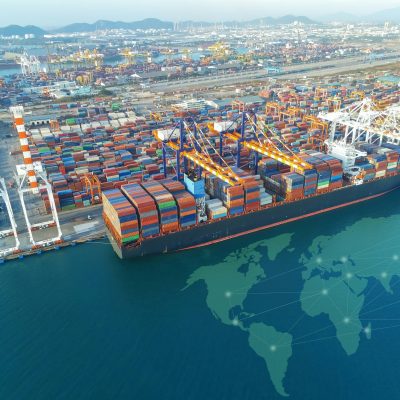
Jens Eskelund, President of the European Union Chamber of Commerce in China, describes the current economic relationship as ‘a 400-metre-long giant container ship loaded with 24,000 containers going to Europe and coming back almost empty.’
Chinese exports to the US in the first half of 2026 were also 23 per cent lower than in the first half of 2025, while exports to the EU increased by 5 per cent during the same period. Meanwhile, EU exports to China fell by 2 per cent.
As a result, the EU’s bilateral trade deficit with China is widening even faster.