[EN] Europe’s Next Enlargement: What Berlin, Paris, and The Hague Really Think
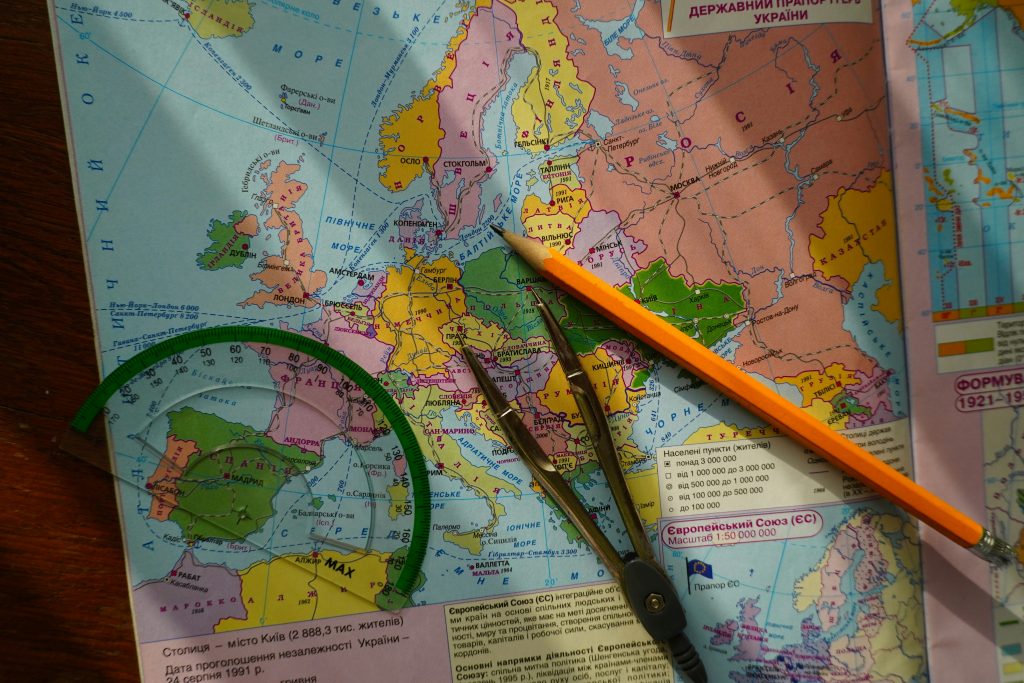
Recent debates in Brussels – sparked by the European Commission’s proposals to fast-track Ukraine’s EU entry and overhaul the accession framework – have prompted renewed scrutiny of enlargement policy by national governments.
Departing from the regular process could offer both new opportunities and risks for the “older” Western Balkan candidates. This policy brief examines perspectives on enlargement in three key member states – Germany, France, and the Netherlands – and offers recommendations on how to move forward.
The Commission’s initiative to fast-track Ukraine and reform accession led the governments of some EU member states to more closely scrutinize enlargement policy and sharpen their national positions.
In Germany, debate on enlargement is beginning to gain some momentum. In France, ambivalence is deepening ahead of presidential elections in 2027. In the Netherlands, the new minority government has yet to reveal its exact approach.
Member states should now lead their policy processes forward, forming coalitions of the willing to rethink the parameters of the
accession process.EU leaders and governments should not neglect public communication. They must shape domestic discourses on enlargement, stressing its security dimension and geopolitical significance.
This joint publication was produced in partnership with DGAP, the Clingendael Institute and Carnegie Europe
Auteurs

 Milan Nič Chercheur Senior, DGAP
 Wouter Zweers Chercheur, Clingendael Institute
 Dimitar Bechev Chercheur Senior, Carnegie Europe
 Nikola Xaviereff Project Manager Western Balkans, DGAP