Iceland’s hesitations to join the EU
Authors

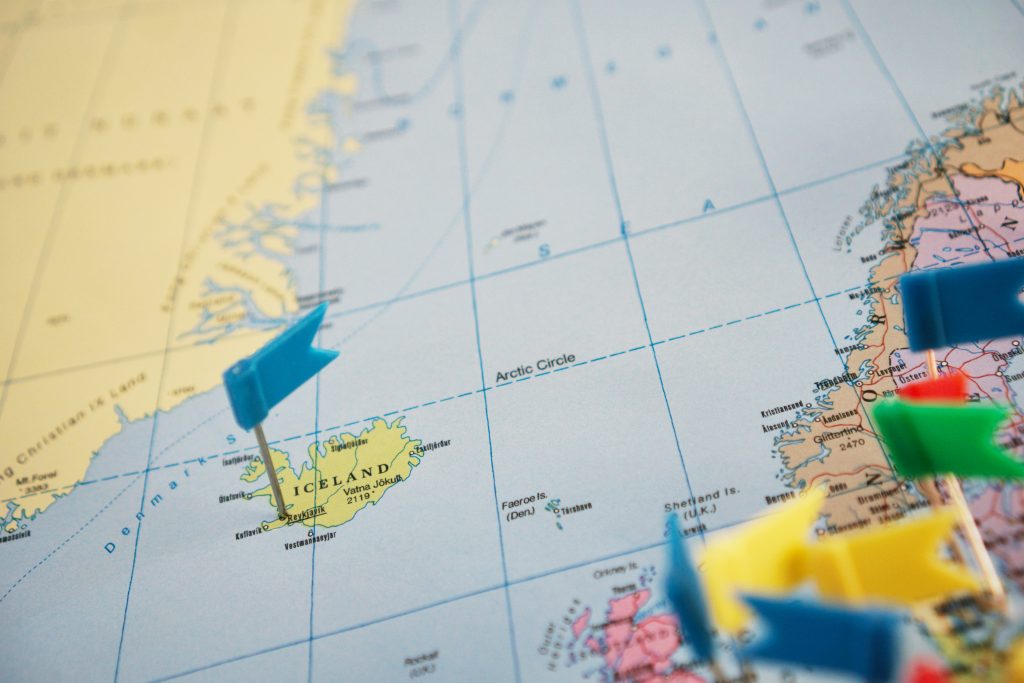
Europe is back in the Icelandic political debate in view of a national referendum, which does not concern the country’s accession to the European Union (EU) per se, but whether or not to resume accession talks. The choice is dividing this remote island nation of 370,000 inhabitants, which seeks monetary stability and security but is staunchly protective of its independence and of its fishing interests.
Although Iceland is not a member of the EU, it is already closely linked to it. Along with Norway and Liechtenstein, it has been part of the European Economic Area (EEA) since its creation under Jacques Delors in 1994. It thus participates in the Single Market, regularly aligning itself with European standards whilst retaining customs duties.
Like the other two EEA states, Iceland was originally a member of the European Free Trade Association (EFTA), an intergovernmental trade organisation (of which Switzerland is also still a member). Since joining in 1970, Iceland has seen most of the other EFTA members leave the organisation to join the European Union (the United Kingdom and Denmark as early as 1972, followed by Portugal, then Sweden and Finland). Iceland also participates in several EU programmes and policies. It joined in 2001 the Schengen Area, which allows for free movement of people.
It is associated with the Erasmus programme and, since 2021, with the Horizon research programme. It also contributes to European civil protection (which combats, for example, forest fires and other disasters). Reykjavik also benefits from some EU cohesion funds. It is part of the European carbon market (ETS). Its foreign policy has implemented all European sanctions against Russia since the start of the war in Ukraine.
Outside the EU, in addition to EFTA, Iceland has joined several regional organisations since gaining independence in 1944. It is one of the oldest members of the Council of Europe, having joined in 1950, one year after its creation. The country is also a founding member of NATO, established in 1949. Finally, like the rest of the continent, it has been participating in the European Political Community (EPC) since the launch of this informal body in 2022.